Buenos Aires is one of those cities that deceives you at first glance. You arrive thinking you know it, only to discover that the city is much larger than any weekend itinerary can encompass.
The key to a good Buenos Aires itinerary is geographical logic. Buenos Aires is divided into very distinct zones, and mixing distant neighborhoods on the same day is the most common mistake made by those who travel without planning.
Therefore, our logic is simple: one zone per day. With five days at hand, you can cover everything at a relaxed pace and still have time for afternoon coffee and the nightlife the city has to offer.
Day 1 (ideal Sunday) — La Boca, San Telmo and Puerto Madero: the historic soul of the city
If you arrive the day before, reserve Sunday for Zone 1. The choice of day is not random: the San Telmo Fair only takes place on Sundays, on Defensa Street, and is one of the most authentic experiences in Buenos Aires: antiques, handicrafts, tango musicians in the squares, and an energy that no tourist guide can properly describe.
Start your day in La Boca. Caminito is touristy, yes, but it’s still beautiful — the colorful sheet metal facades and sculptures on the balconies tell a story of Italian immigrants who arrived with nothing and transformed a port neighborhood into a symbol of the city.
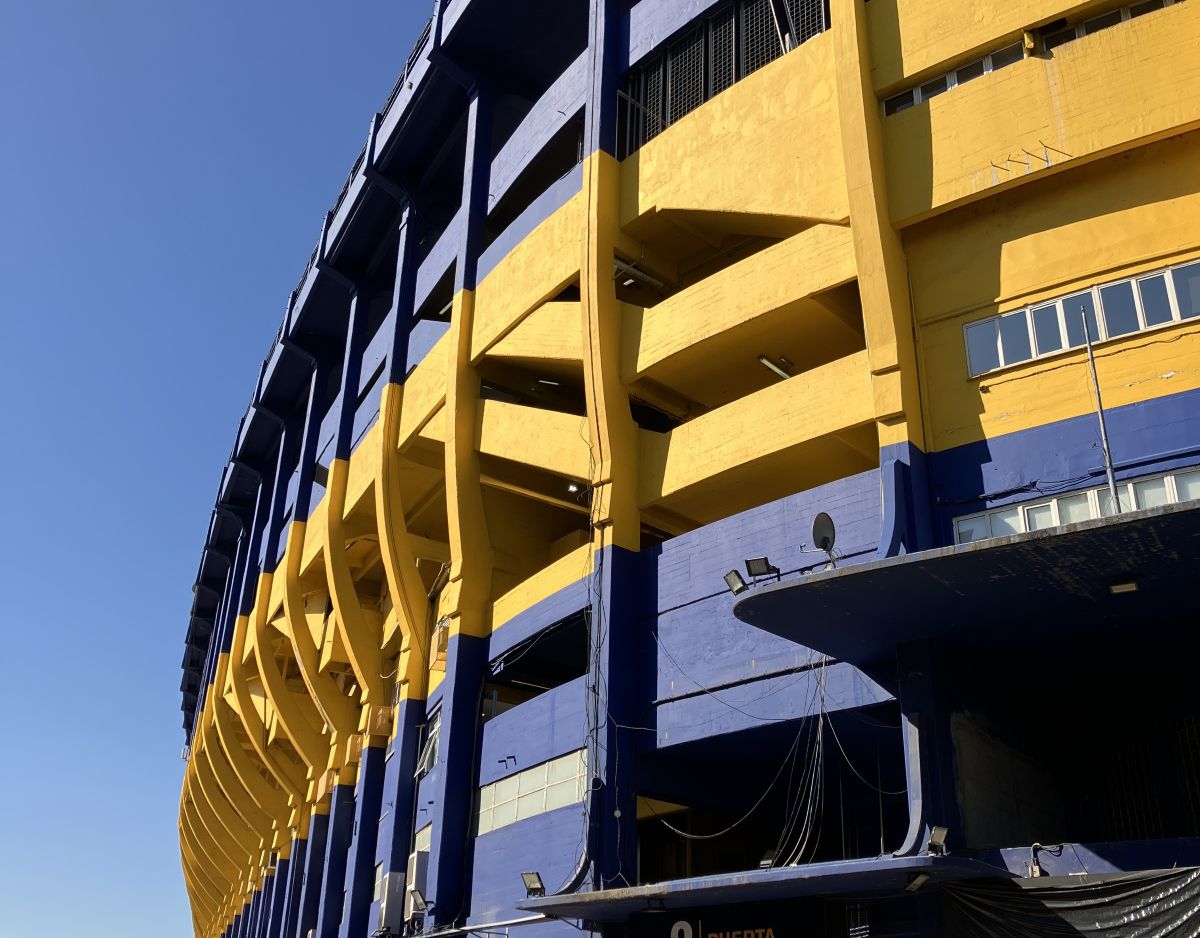
Right next door, La Bombonera stadium is a must-see for anyone who loves football. A visit can include the Museo de la Pasión Boquense and even a Stadium Tour: experiences worth every minute.
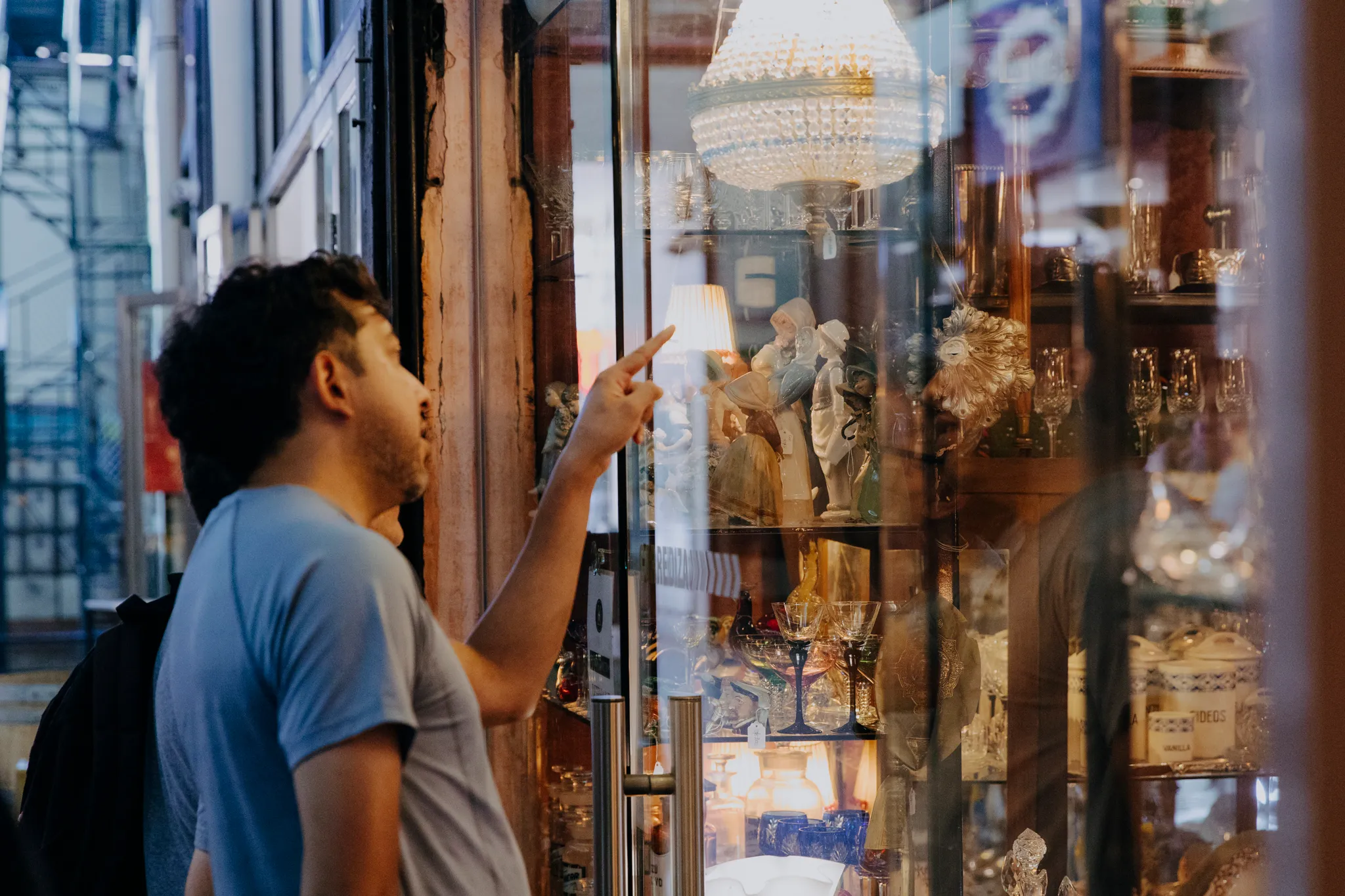
From La Boca, head to San Telmo. Start at the corner of Avenida San Juan and Calle Defensa. Follow it, enter the San Telmo Market, a 19th-century mansion with stained glass windows, food stalls, and antique shops, and set aside an hour for the fair in Plaza Dorrego. There, on Sunday afternoons, dancers perform tango.
In the afternoon, the neighborhood takes on a more tranquil atmosphere, perfect for a coffee in one of the historic bars that have been operating at the same address for decades.
To end the day, head to Puerto Madero. The contrast with San Telmo is intentional: you’re leaving the oldest neighborhood for the newest in the city. Stroll along the remodeled docks, stop for the classic photo at Puente de la Mujer (the bridge designed by Santiago Calatrava), and, if time allows, enter the Costanera Sur Ecological Reserve, a huge green lung on the banks of the Rio de la Plata.
Ondas Buenas Tip: If you’re going to see a tango show, this is the right night. You’re just a few blocks from Michelangelo Tango in San Telmo, a building considered an architectural heritage site from the colonial era, offering a more intimate atmosphere.
There are also other show options available, which include transportation from your accommodation to the tango house, making the logistics of the trip easier.
Day 2 — Historic Center: the political and cultural heart of Buenos Aires
Downtown Buenos Aires has its own unique character. It’s the most convenient neighborhood in the city, with subway access everywhere, shops open late, and tourist attractions just minutes from each other.
Start at Plaza de Mayo, the zero point of Argentine history, and pass by the Casa Rosada, the seat of government, famous for the balcony where Evita gave speeches. Also located in the same square are the Metropolitan Cathedral and the Cabildo.
Walk up Avenida de Mayo towards the Congress. On the way, don’t pass by Café Tortoni without going in—it’s the oldest café in Buenos Aires, opened in 1858, and still operates today with marble tables, gilded mirrors, and an atmosphere that time has treated very well. Order a hot chocolate with churros; it’s their signature dish.
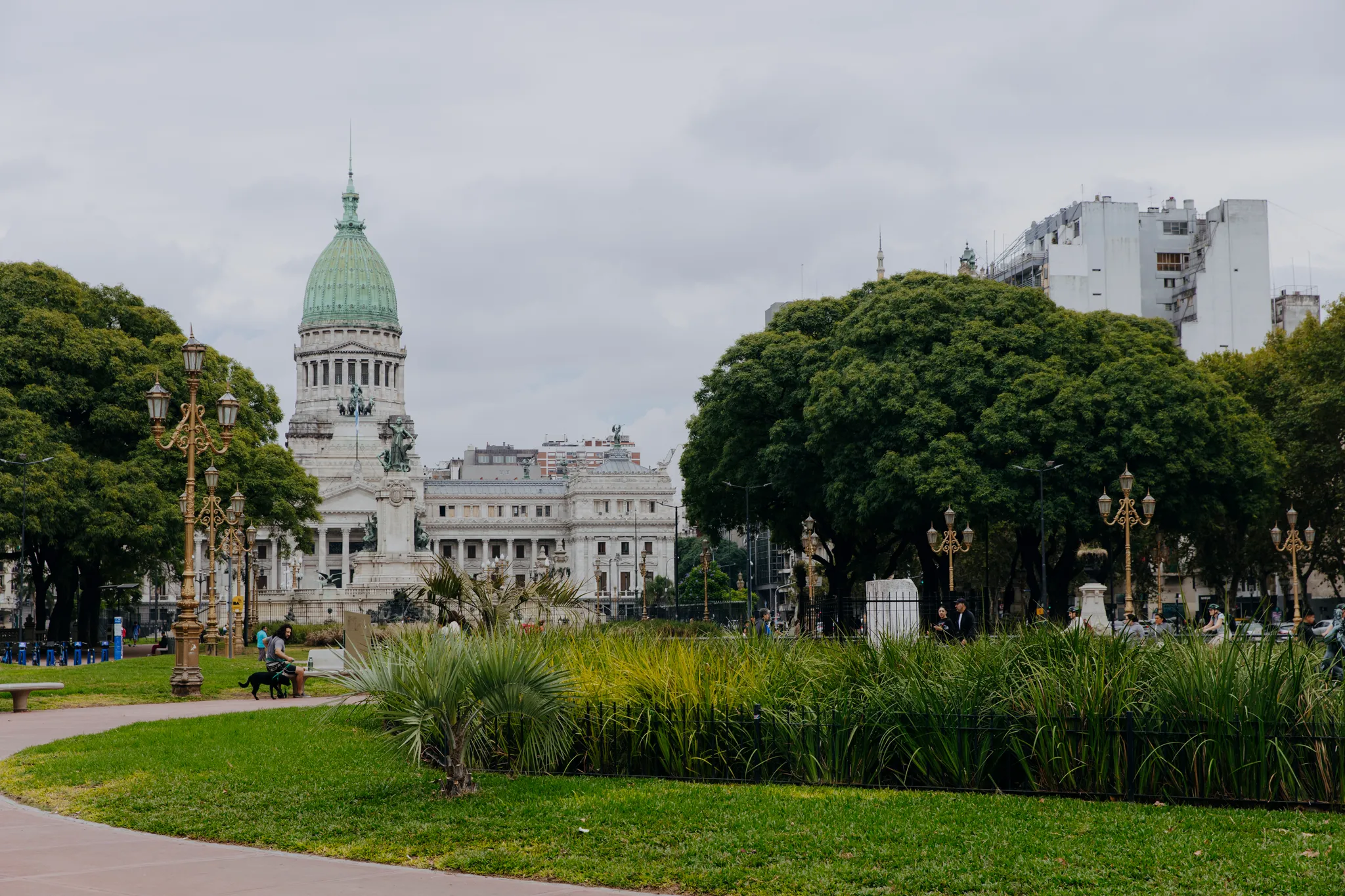
The National Congress Palace seen from Plaza del Congreso — one of the iconic landmarks of Buenos Aires’ historic center.
Take a detour to visit the Barolo Palace, a building designed in 1923 inspired by Dante’s Divine Comedy, where each floor represents a circle of Hell, Purgatory, or Paradise. A visit to the observation deck on the top floor offers one of the best views of Buenos Aires.
On your way back, stop by Galerias Pacífico, a shopping mall housed in a 19th-century palace with frescoes on the ceiling painted by renowned Argentine artists. It’s not just for shopping; it’s a cultural heritage site.
In the evening, consider the Teatro Colón for a performance, or during the day, take a guided tour—they offer options in Portuguese. It’s considered one of the five best opera houses in the world, according to experts, with acoustics that impress even those who have never been to an opera house.
Ondas Buenas Tip: This central area is the birthplace of our Casa Ondas Buenas — and it’s worth a visit. By booking a time slot, you can enter a historic building where you’ll find our wine cellar, discover Argentine wine labels that haven’t yet arrived in Brazil, and even book a guided tasting with our Brazilian sommelier.
Day 3 (ideal Saturday) — Recoleta and Retiro: elegance, art, and Buenos Aires history
Recoleta has a well-defined personality: it’s an elegant neighborhood with architecture reminiscent of Paris, well-maintained gardens, and important museums. Saturday is a good choice because there are usually free outdoor activities near the Floralis Genérica, the steel sculpture in the shape of a flower that opens with the daylight and closes at nightfall.
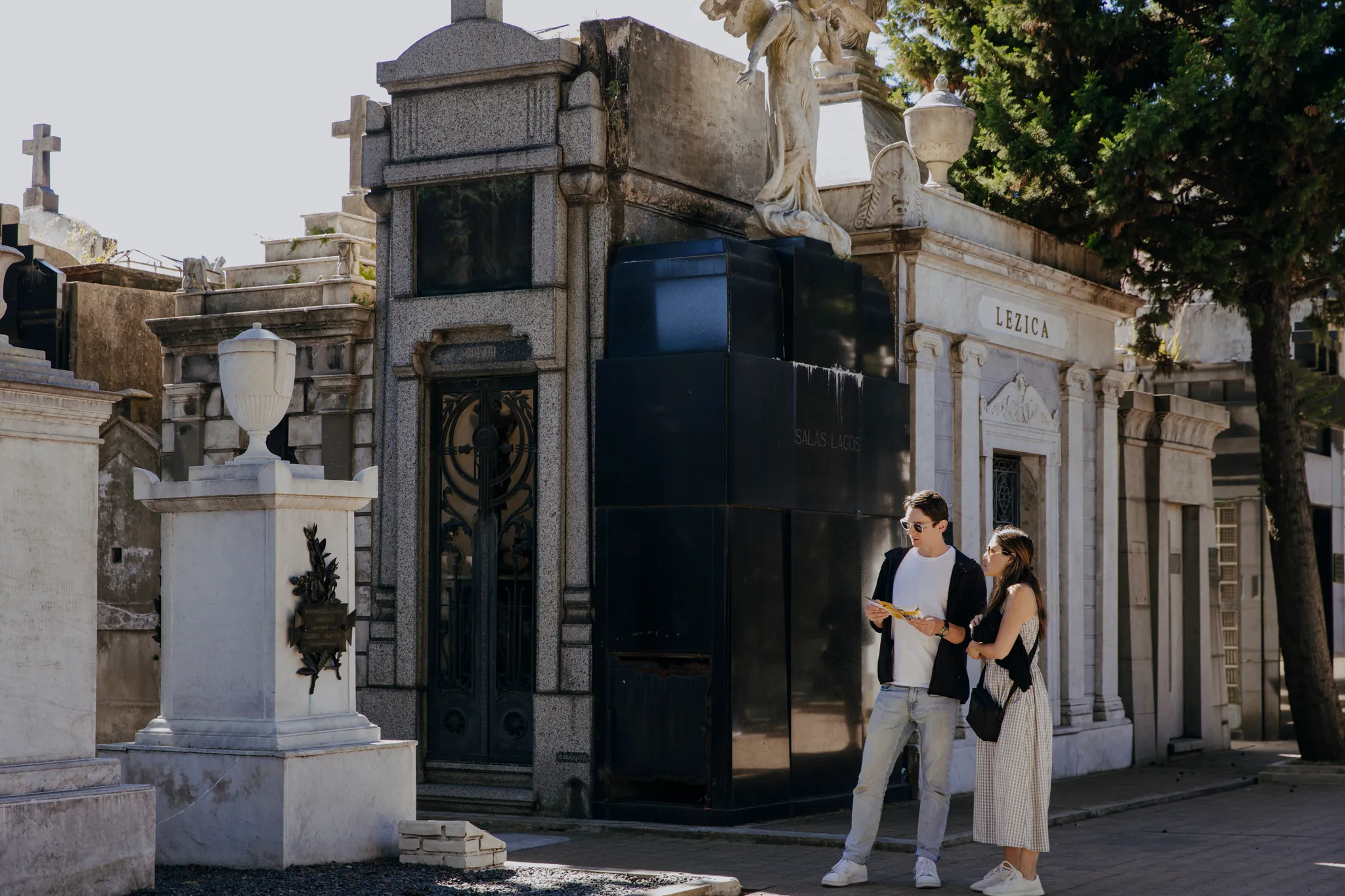
The highlight of the day is the Recoleta Cemetery, and yes, it’s worth a visit. The cemetery is practically an open-air museum with monumental mausoleums and neo-Gothic architecture. The guided tour helps to understand who the people buried there are.
Next, stop by the National Museum of Fine Arts: free entry, impressive collection with works by Rembrandt, Monet, Degas, and one of the largest collections of Argentine art in the world. And don’t leave Recoleta without visiting El Ateneo Grand Splendid, a bookstore housed inside a 1920s theater, with preserved boxes and the stage transformed into a café. Arrive early, because there’s a line.
In Retiro, Plaza San Martín and the San Martín Palace complete the historical circuit. The neighborhood is also a convenient starting point for traveling to the rest of the city.
Day 4 — Palermo: Buenos Aires’ most cosmopolitan neighborhood
Palermo is large, modern, and layered. Avoid planning a visit on a Monday, as many bars and restaurants are closed that day, and you’ll miss half the experience.
In the morning, visit the Palermo Woods: the Japanese Garden (one of the largest outside of Japan), the Rose Garden with its hundreds of rose species, and the Botanical Garden form a green area that invites leisurely strolls. The Planetarium is nearby, beautiful even from the outside.
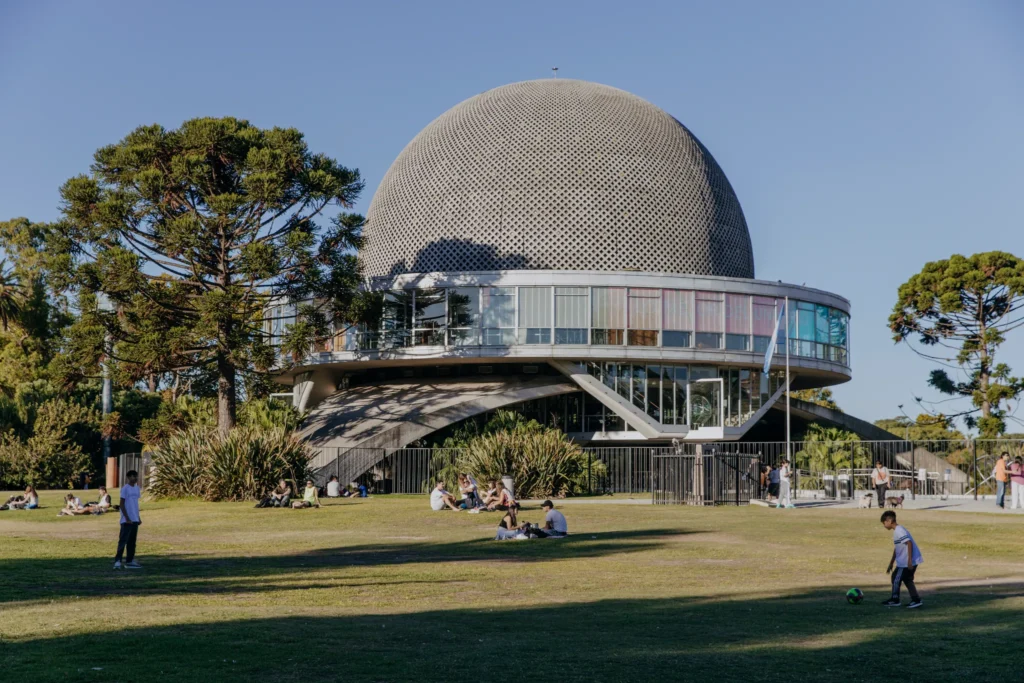
The Galileo Galilei Planetarium and the lawn of the Palermo Woods.
In the afternoon, the MALBA (Museum of Latin American Art of Buenos Aires) is a must-see for anyone interested in art. Its permanent collection includes works by Frida Kahlo, Diego Rivera, and Tarsila do Amaral, among others. It’s worth noting that it’s closed on Tuesdays. On Wednesdays, they charge 50% of the entrance fee.
After the museum, immerse yourself in Palermo Soho: tree-lined streets, urban art murals, designer cafes, and restaurants that are among the best in the city. This is where Buenos Aires shows its most contemporary and cosmopolitan side. Reserve the evening for a fine dinner; Palermo’s gastronomic scene rivals any European capital.
Day 5 — Tigre Delta: nature 30 km from the capital
The last day is for leaving Buenos Aires without really leaving. The Tigre Delta is just 30 km to the north and offers a stark contrast to the city: canals, islets, houses on stilts, and a silence that seems impossible to exist so close to a metropolis of three million people.
On the Delta tour, navigating the Paraná River takes an average of 50 minutes, passing through communities that live by boat and access schools, markets, and services exclusively by water.
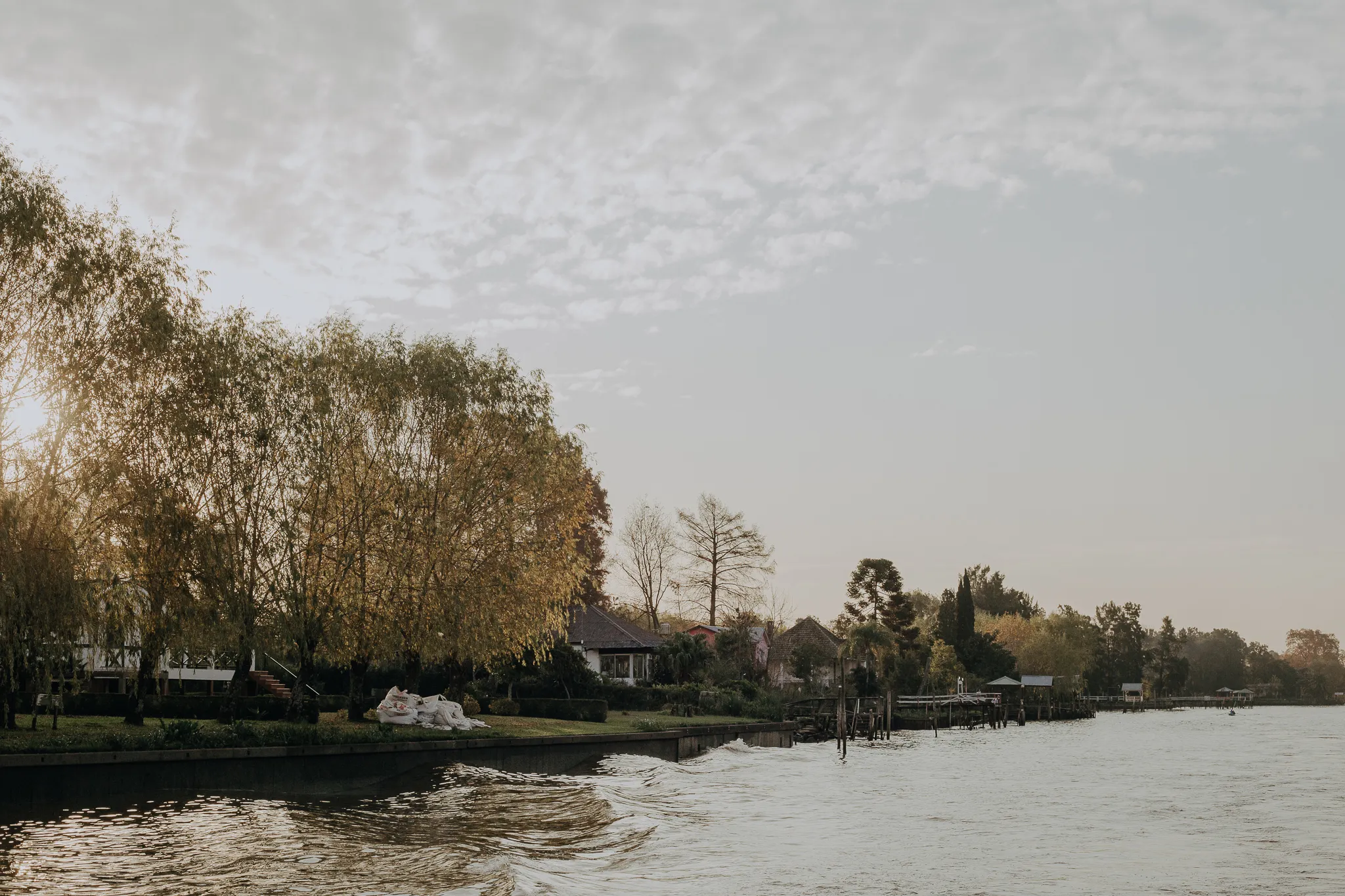
Boat view on the way to Tigre
In Tigre, it’s worth stopping at Puerto de Frutos, a regional craft center, and admiring the façade of the Tigre Art Museum, an institution declared a National Historic Heritage site. Those with time can also visit San Isidro, a neighboring city on the banks of the Rio de la Plata, boasting an impressive Gothic cathedral.
Practical tips to avoid mistakes
Transportation: The subway is fast and cheap. For longer distances between neighborhoods, Uber and Cabify work well. Avoid regular taxis on the street if you don’t feel comfortable communicating your destination. In these cases, prefer to call through the app.
Currency: Exchange money at specialized exchange bureaus. The exchange rate can vary considerably. Ondas Buenas monitors exchange rates daily and advises its clients; simply contact us.
Safety: Buenos Aires is a large city and requires caution. Avoid using your cell phone on the street in crowded places, such as the subway and Calle Florida.
Best time to visit: Spring in Buenos Aires (September to November) and autumn (March to May) are the most pleasant periods, with temperatures between 15°C and 25°C. Summer can be very hot; winter, surprisingly cold.
Want to enjoy all of this without any headaches?
The Ondas Buenas Welcome Kit is delivered to your hotel on the day of your arrival in Buenos Aires and includes a Map Guide with suggested itineraries by zone, a SIM card, a power adapter, and a metro card, among other valuable items to help you make the most of every inch of the city.
Those who want to go further can count on the personalized advisory service, a 1-hour conversation that adapts the itinerary to their profile, provides guidance on currency exchange, and even makes restaurant reservations and tango tickets.
Buenos Aires has this rare quality: it rewards those who arrive prepared. Five well-planned days are worth more than ten days adrift.
Ondas Buenas is a Brazilian company specializing in making Buenos Aires more accessible, rich, and unforgettable for Brazilian travelers.